


FONAP – Forum Palm Oil
Committed together
-
New FONAP guidance: human rights in palm oil supply chains
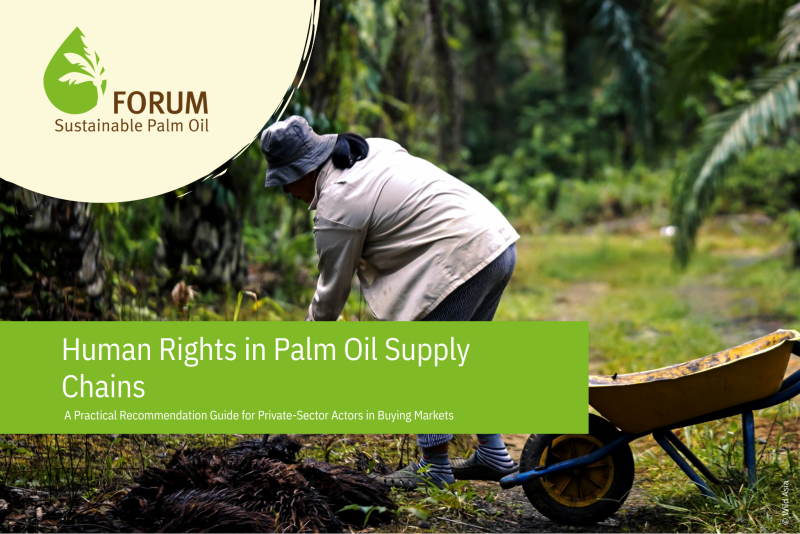
FONAP has published a new practical guide for private-sector actors in consumer markets: Human Rights in Palm Oil Supply Chains – A Practical Recommendation Guide. The guide was developed in response to the findings of the FONAP network project "Collective Intel for Good: Collective Intel for Human Rights Due Diligence" and draws on research in Guatemala, Indonesia and Malaysia.
-
FONAP becomes an affiliate member of the Sustainable Coconut Partnership
The Forum for Sustainable Palm Oil (FONAP) has become an Affiliate Member of the Sustainable Coconut Partnership (SCP), strengthening cooperation for more sustainable and responsible global agricultural supply chains. FONAP brings together companies, civil-society organisations and public institutions working for greater sustainability in palm oil supply chains. Through this new affiliate membership, FONAP extends its engagement to a related commodity sector with similar sustainability challenges and potential.
-
Global Nature Fund takes over the FONAP Secretariat
As of 1 January 2026, the Global Nature Fund (GNF) has taken over the FONAP secretariat, succeeding GIZ GmbH in this role. As an international foundation for the environment and nature, GNF has worked with companies for more than 15 years on biodiversity targets and measures. The GNF team brings together expertise in EU regulation, supply chains, agriculture and food, monitoring and reporting. GNF also coordinates Fair Rubber e.V. and is a founding member of the industry initiative Food for Biodiversity e.V.
-
Progress Report 2024 published
Our ongoing commitment to more sustainable palm oil production is paying off: that is the message of our 2024 progress report. Alongside the certification targets, this year we tracked the new additional criteria for the first time.
-
Organic palm oil in the self-commitment
All FONAP member companies have committed to using only certified sustainable palm oil. Under certain conditions, organic certification is now also recognised.
-
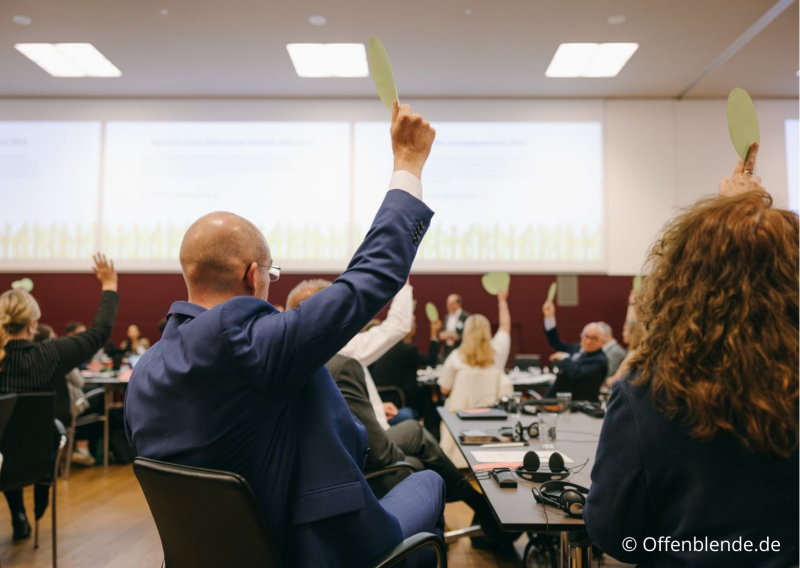
FONAP General Assembly 2025
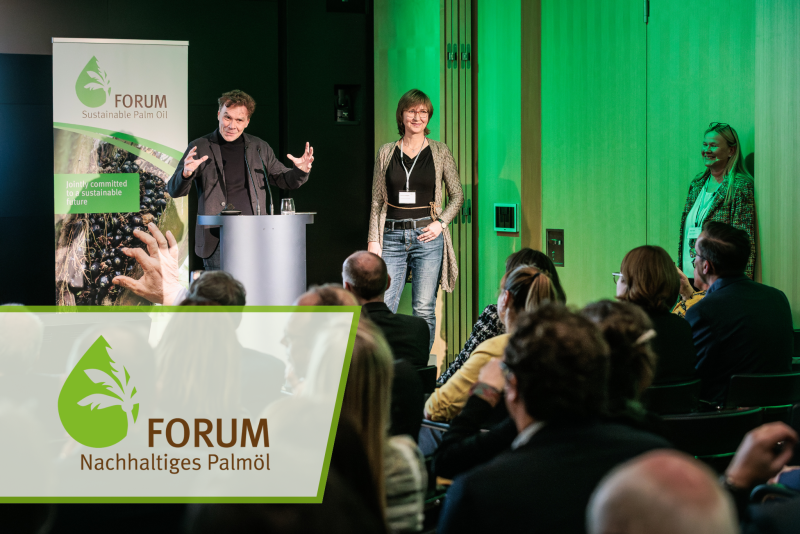
On 29 April our annual general assembly took place in Berlin. With speakers from Malaysia, Indonesia, the USA and Europe, it was a particularly international gathering this year.
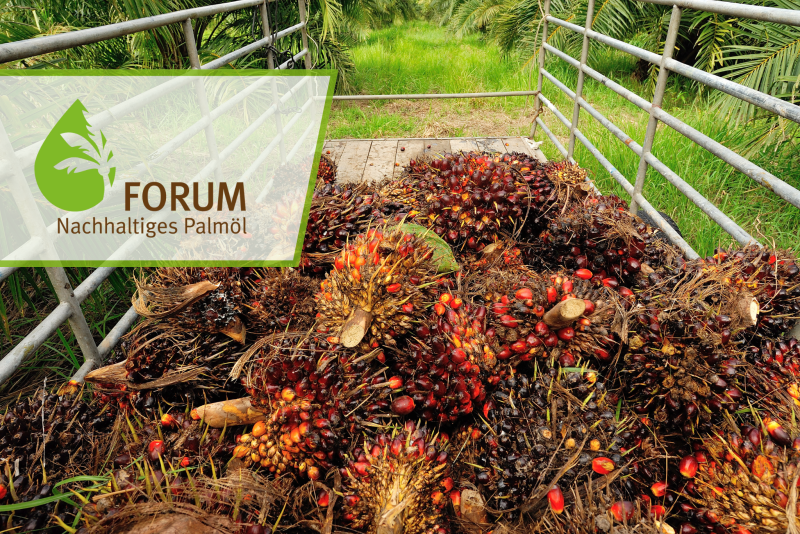
The Forum Palm Oil is committed to the further development of agricultural supply chains with a focus on palm oil.
You are currently viewing a placeholder content from YouTube. To access the actual content, click the button below. Please note that doing so will share data with third-party providers.
More Information
© Offenblende / Sofia
About FONAP
The Forum Palm Oil is a multi-stakeholder partnership consisting of approximately fifty companies, associations, non-governmental organizations, and the German Federal Government. FONAP is committed to the further development of agricultural supply chains and tests or pilots solutions for more ecologically and socially compatible palm oil cultivation in the countries of origin. Companies join the multi-stakeholder partnership to tackle challenges together – rather than just internally. (Image: © Offenblende / Sofia)
From sustainable palm oil to sustainable landscapes
Local Engagement
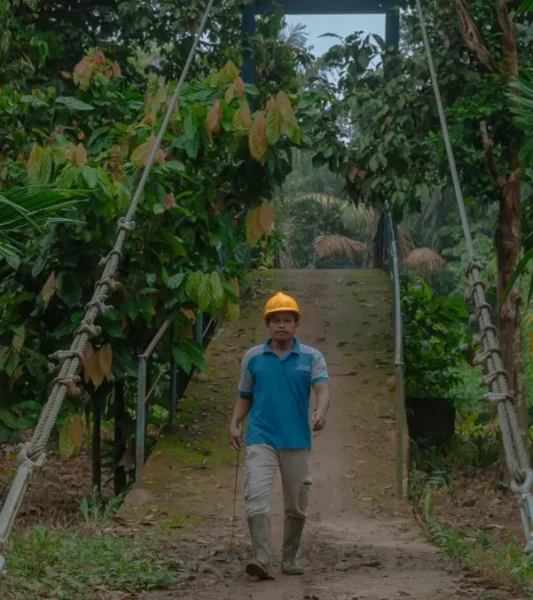
In its current member project, FONAP has been supporting smallholders in Johor, Malaysia, since April 2025 through Wild Asia’s SPIRAL initiative. The project links traceability systems with regenerative agricultural practices and supports small-scale producers in meeting requirements for more ecologically and socially compatible production.
About Palm Oil
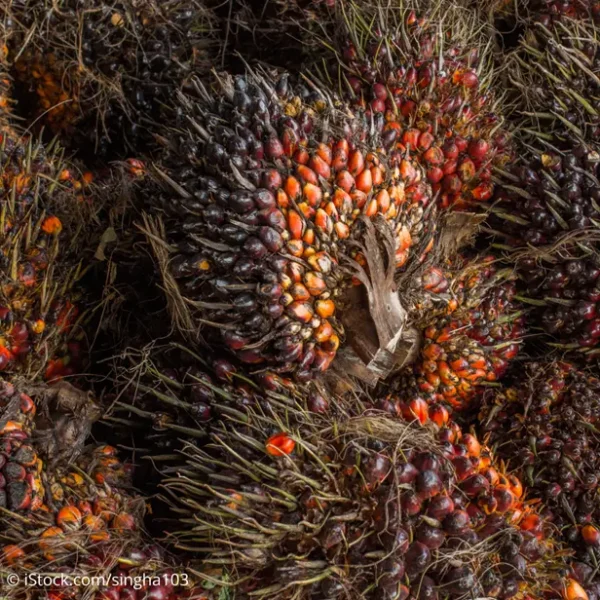
Palm oil has by far the highest yield per hectare of all oil crops. It is also versatile and an important source of income for several million smallholder farmers. At the same time, large-scale cultivation of oil palms is often associated with serious ecological and social challenges. Palm oil is not fundamentally bad, but it must be grown in an ecologically and socially compatible manner. Regulatory requirements and legislation (such as the EUDR/Deforestation Regulation and the LkSG/Supply Chain Due Diligence Act) as well as risk analyses and certifications are important building blocks.